
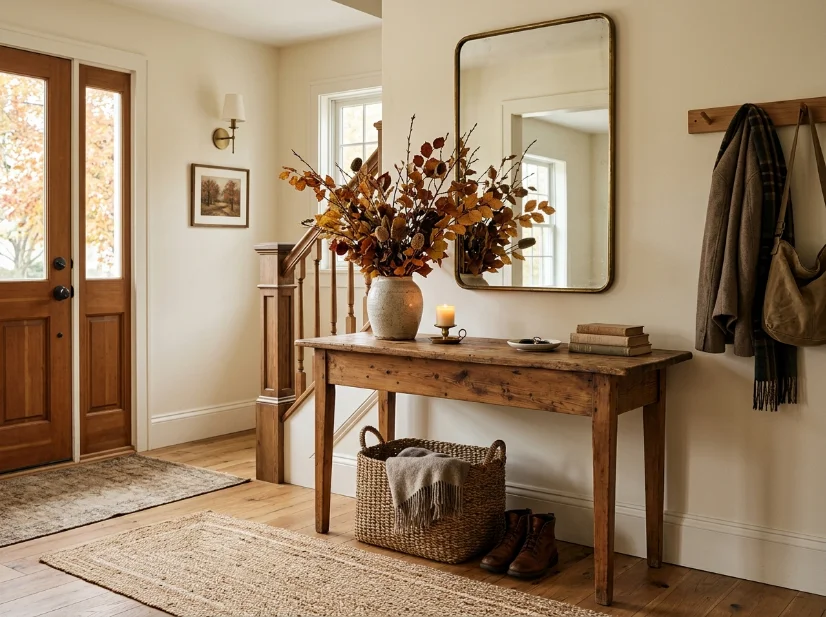
Want a cozier fall home without filling it with furniture you will need to replace in a few years? In this article, I’m sharing seven practical eco-friendly furniture and decor swaps that worked in our own home. You’ll see how I replaced particleboard with solid wood, added natural-fiber textiles, repurposed furniture, and chose more durable materials without trying to make our house look overly “green.” I’ll also share a few mistakes I made along the way, so you can avoid spending money on sustainable-looking pieces that do not actually work for everyday life.
I used to think eco-friendly decorating meant giving up the warm, layered look I wanted for fall. I pictured bare wood, beige linen, and rooms that felt more like a dentist’s waiting room than a home. Then Biscuit destroyed our IKEA loveseat cushion for the second time in a year. Mark and I finally asked ourselves why we kept buying inexpensive furniture that needed replacing every couple of years. That question changed the way we furnish our home.
1. Swap Particleboard Pieces for Solid Wood, One Room at a Time
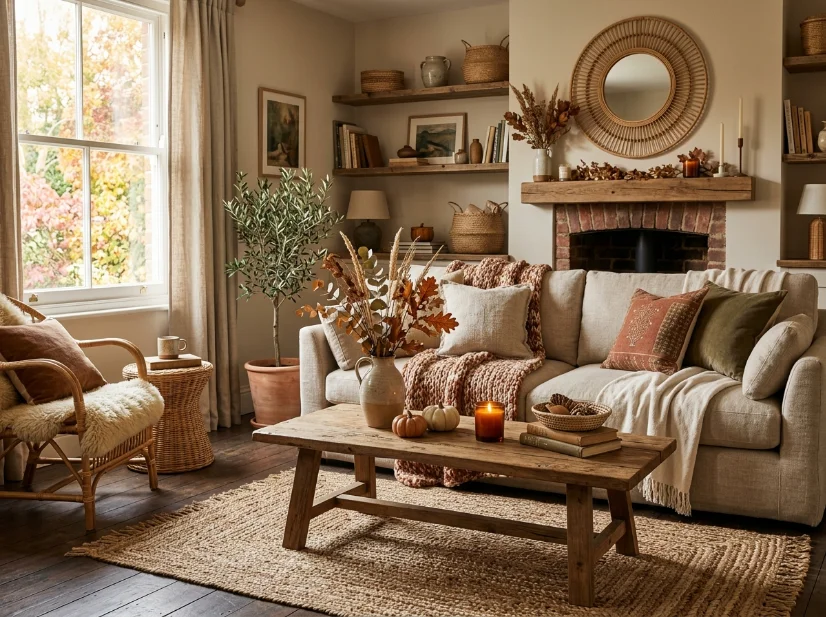
Our first apartment was filled with particleboard furniture. It looked fine when we bought it, but humidity quickly became a problem. Some pieces swelled, others warped, and a few simply stopped looking good after a couple of years. When we moved into our house, I decided not to replace everything at once. Instead, I started switching out pieces slowly. This made the process easier on our budget and kept us from throwing away furniture that still had some life left in it. One of my favorite swaps is the console table in our entryway. We found it on Facebook Marketplace for $85. It has a few water rings and a small chip near one leg, but those imperfections are part of why I like it. It feels like a piece with a history instead of something that came straight from a warehouse. A new solid wood console from a higher-end furniture brand can easily cost several hundred dollars. Buying one secondhand or reclaimed piece at a time has been much more realistic for us.
Where to Actually Find This Stuff
Facebook Marketplace and OfferUp can be unpredictable, so I check them regularly instead of expecting to find something on the first search. Estate sales have also become one of my favorite places to look. Older homes often have solid wood dressers, side tables, and cabinets that are much better made than many inexpensive new options. I have found some great pieces for less than $150 by being patient and checking listings often.
2. Choose Natural Fiber Textiles for Fall Layering
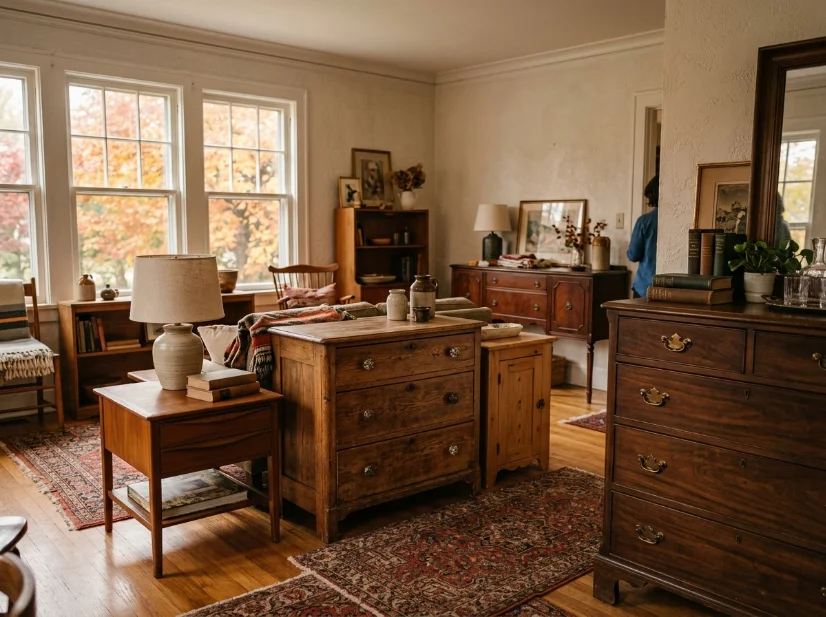
Fall decorating usually means adding blankets and pillows around the house. I still love doing that, but I have become much more selective about the materials I buy. I used to pick up inexpensive synthetic throws because they were easy to find and looked good in the store. The problem was that some started pilling after only a few washes. Now I look for materials such as cotton, wool, linen, and natural-fiber blends when I can. They may cost more initially, but a good-quality throw can stay in rotation for years. One waffle throw on our couch has already made it through several winters and still looks great. I also replaced a couple of velvet pillow covers with textured jute-blend covers. They were inexpensive, added some fall texture, and have been easier to live with around Biscuit. I do not think every textile in a home needs to be natural. I simply try to choose better materials when I am replacing something anyway.
3. Repurpose Instead of Replacing
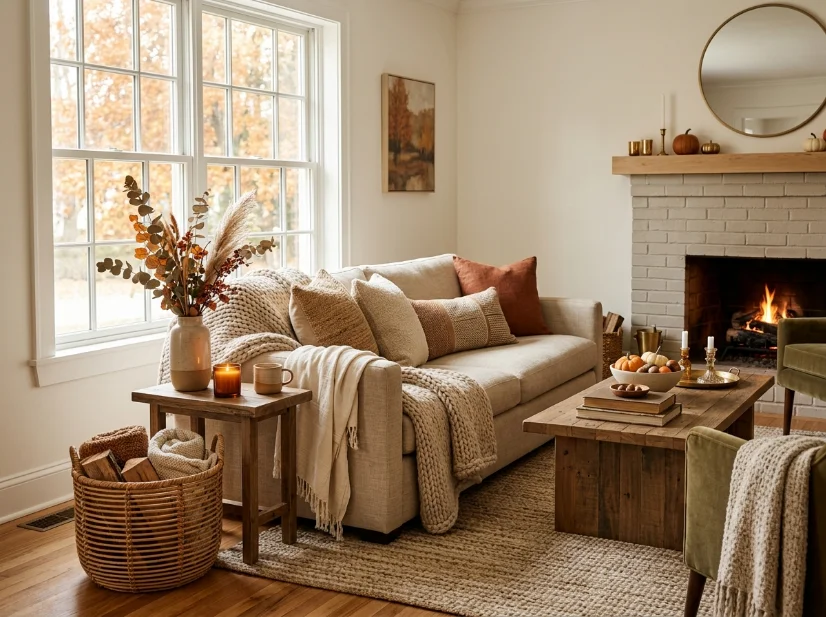
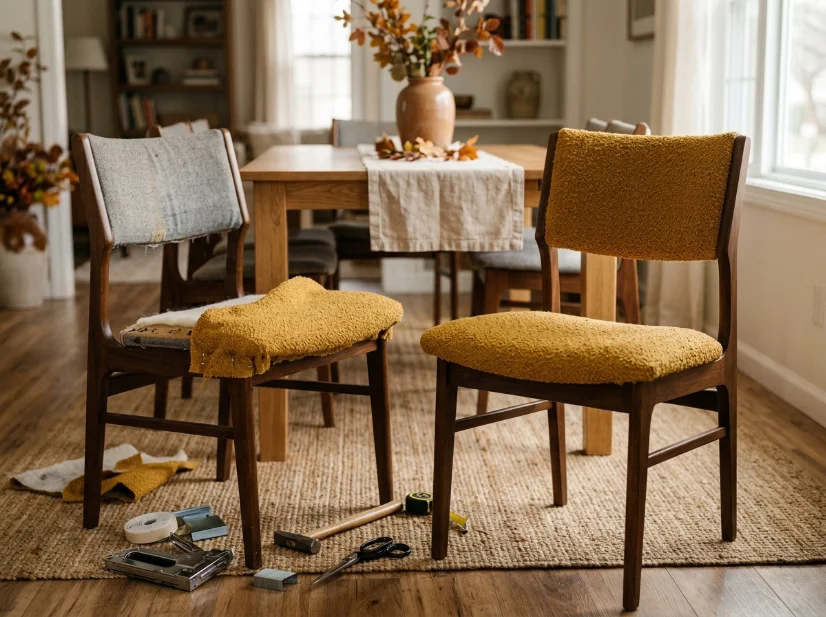
This is probably the swap that has saved us the most money. Before buying something new, I now ask whether the piece we already own can be repaired, refinished, or updated. Our dining chairs are a good example. We bought them in 2021, and instead of replacing them when they started looking tired, I reupholstered the seats last fall. I chose a mustard boucle fabric because I wanted something that felt warm and seasonal without looking overly themed. The fabric cost around $60 for all four chairs, and I did the work myself over one weekend. I will be honest, though. The first chair was frustrating. It took me almost three hours because I attached the fabric crookedly and had to remove everything and start again. By the fourth chair, I could finish one in about twenty minutes. If you have never tried reupholstering furniture, start small. A dining chair seat is much less intimidating than an entire sofa.
4. Look for FSC-Certified or Reclaimed Wood When Buying New
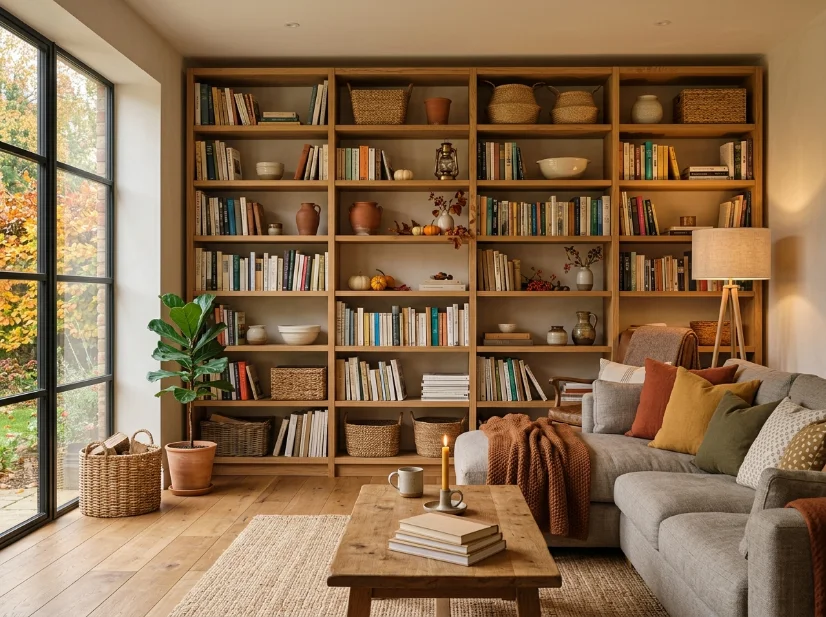
Secondhand furniture is not always practical. Sometimes you need a specific size, style, or piece that simply is not available locally. When we needed a new bookshelf, I started looking for furniture made with responsibly sourced wood. FSC certification was one of the labels I looked for because it indicates that the wood comes from responsibly managed forests. I also compared the construction rather than focusing only on the appearance. A solid wood bookshelf may cost more than a laminate version, but the extra durability can make sense when you expect to keep it for many years. Our oak bookshelf cost more than the cheaper alternatives I considered, but it has held up well in a busy family home. For me, that is an important part of sustainable decorating. Buying something durable once can be better than buying a cheaper replacement every few years.
5. Bring in Cork, Rattan, and Other Renewable Materials
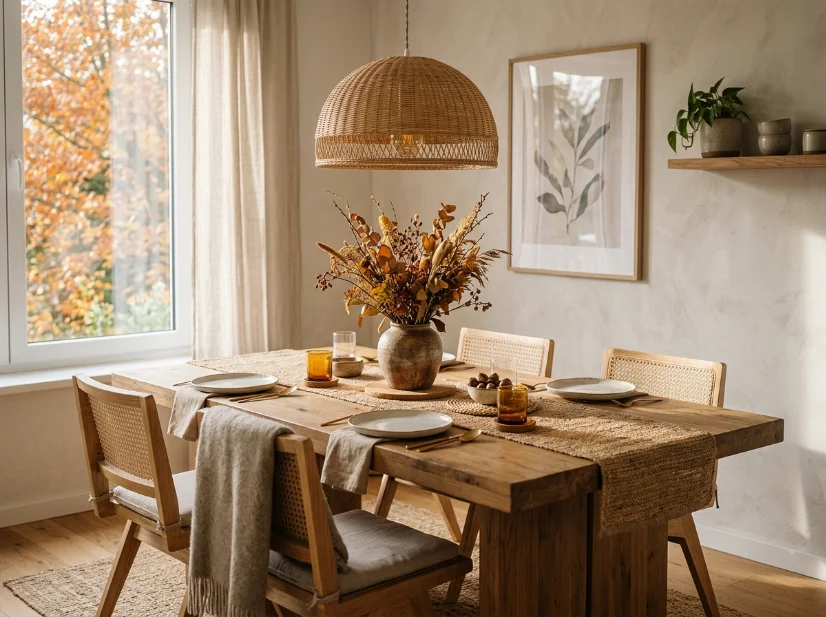
I have always liked the texture that natural materials add to a room. Rattan, cork, bamboo, and similar materials can make a space feel warmer without requiring a complete makeover. We added a rattan pendant light above our kitchen table, and it ended up being one of the smallest changes with the biggest visual impact. The woven texture works especially well with our fall decor because it adds warmth without making the room feel cluttered. I also added cork coasters and a cork bulletin board to our home office. These replaced a few plastic organizers that had started looking worn. I am not trying to make every item in our home perfectly sustainable. Instead, I look for natural or renewable materials when they fit the space and make sense for our everyday needs.
6. Choose Low-VOC Finishes When Refinishing Furniture
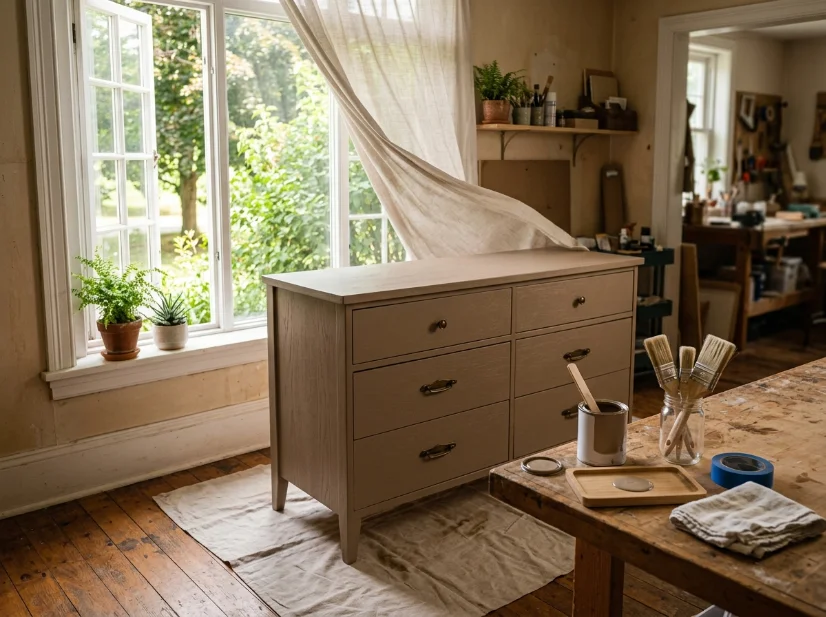
If you are planning to refinish furniture, the finish you choose is worth considering. Low-VOC and no-VOC products can reduce the amount of volatile organic compounds released into the air compared with conventional products. That is especially worth thinking about when you are working indoors or have children and pets in the home. I always check the product label and follow the manufacturer’s instructions for ventilation and drying time. I also avoid rushing the process just because I want the furniture back in the room quickly. When I refinished an old dresser, the paint still had an odor for a couple of days even with the windows open and a fan running. That taught me to plan furniture projects around the drying and ventilation time rather than trying to finish everything in one afternoon. For larger projects, I would also check reliable guidance about VOCs before getting started.
7. Support Small-Batch and Handcrafted Makers
Not every piece in your home has to come from a large furniture retailer. Small makers can be a good option when you want something unique and are willing to spend a little more on craftsmanship. One of my favorite recent purchases is a handmade walnut cutting board that I use as the base for our fall table display. I layer it with pinecones, small candles, and other seasonal pieces. It cost more than a mass-produced cutting board, but it has become something I use and enjoy instead of another disposable decoration. That said, buying handmade does not automatically guarantee a perfect experience. I have had mixed results with small online shops. One item arrived damaged and the seller never responded to my message. Now I spend more time reading recent reviews before ordering. I also look for sellers with a strong history of completed orders and consistent customer feedback.

What I’d Do Differently
If I could start this project again, I would focus on repairing and updating what we already owned before shopping for replacements. I spent almost $300 on furniture during the early stages because I assumed our old pieces were no longer useful. Later, I realized that several of them only needed new fabric, a little repair work, or a fresh finish. I also learned that having the right tools makes a huge difference. My first attempt at reupholstering furniture involved a basic stapler from my kid’s desk drawer, and I quickly discovered why that was a terrible idea. A proper staple gun made the next chair much easier. I also wish I had been more careful about following trends. I bought a jute rug because I loved the look I was seeing everywhere. Unfortunately, it shed fibers around our floors for months. That experience reminded me that sustainable decorating is not just about choosing a natural material. Durability, maintenance, and how well something fits your actual lifestyle matter too. These days, I would rather buy fewer pieces, take better care of them, and choose furniture that I can imagine keeping for many years. That approach has made our home feel cozier, more personal, and much less disposable.
