
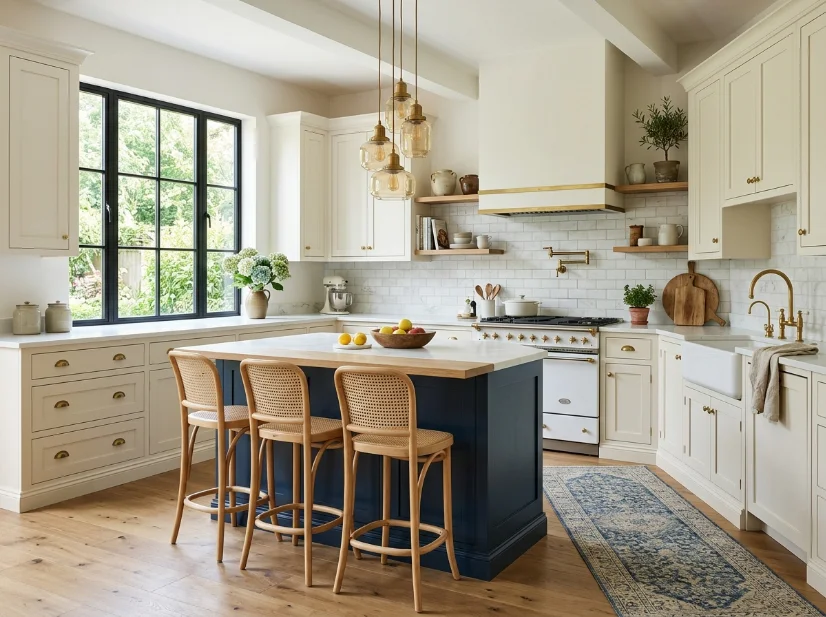
Our kitchen still has the same oak cabinets it had when we bought our house in 2021. For years, I kept telling myself I was waiting for the right color. The truth is that I was nervous about choosing something that would look dated a few years later. After watching kitchen design move toward warmer, moodier, and more personal colors, I finally decided to repaint our island this spring. These are the kitchen color trends I am actually seeing in 2026, along with a few ideas I have tried in my own home.
1. Warm, Creamy Whites Instead of Stark White
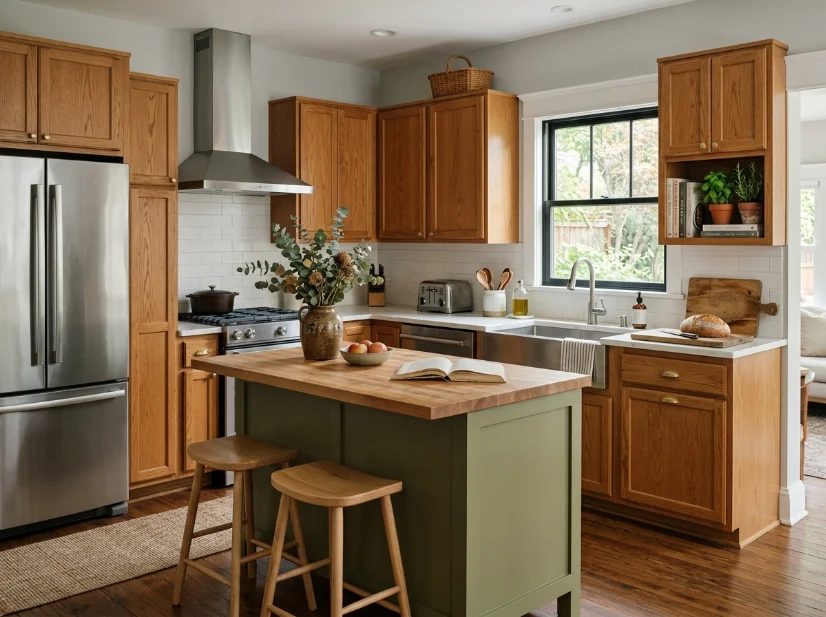
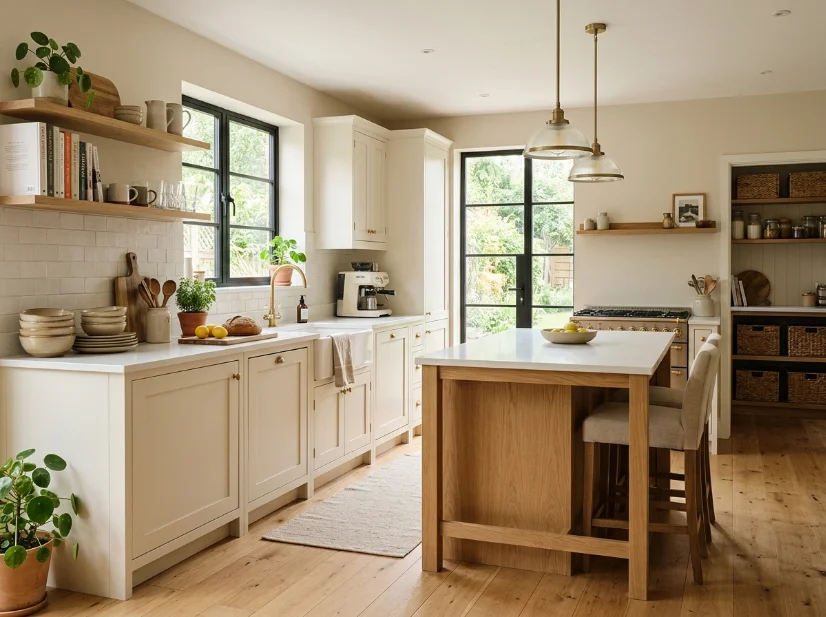
Bright white kitchens are still popular, but the preferred shades are becoming softer and warmer. Creamy whites with subtle beige or yellow undertones feel more inviting than the cool whites that dominated kitchen design for years. In our humid North Carolina summers, stark white also seemed to highlight every little water spot around the sink. Warmer whites are much more forgiving and create a softer overall look. You can use this trend on cabinets, walls, or even smaller details such as shelves and accessories. If you are not ready to repaint anything, start with warm-toned dish towels, ceramic pieces, cutting boards, or countertop accessories. A few small changes can bring the same cozy feeling without turning the project into a full kitchen makeover.
2. Sage and Olive Greens on Cabinets or Islands
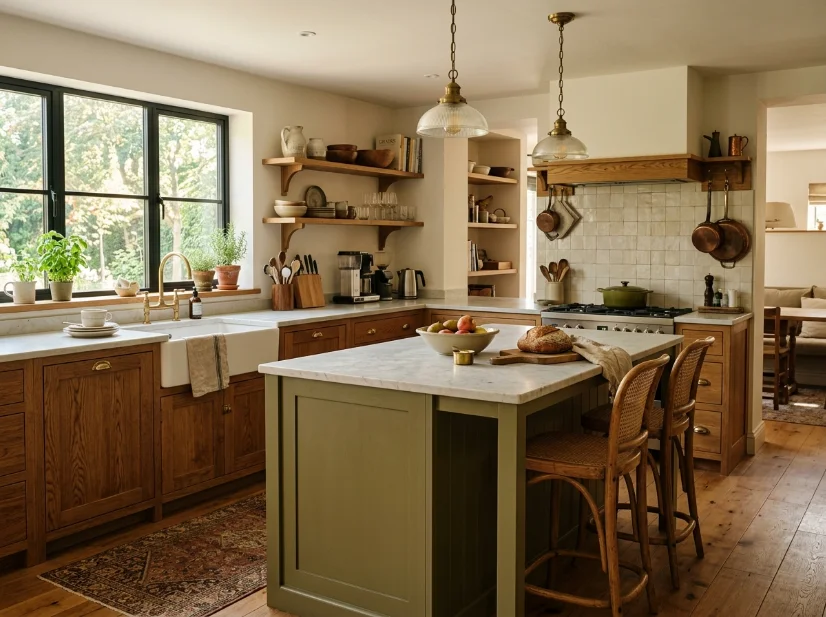
Sage and olive green continue to be strong choices for kitchens in 2026. This is also the trend I decided to try myself. Instead of painting every cabinet, I painted only our kitchen island a muted olive green. That small change made a bigger difference than I expected, and it is one of the few color decisions in our house that I have not second-guessed. Green works especially well when you want some color without making the entire kitchen feel heavy. Painting only the island can also keep the project affordable and easier to manage. Our paint and primer cost around $65, and I finished most of the work during one Saturday afternoon. If you like the look but are unsure about making such a big commitment, an island is a great place to experiment.
The Part That Went Wrong
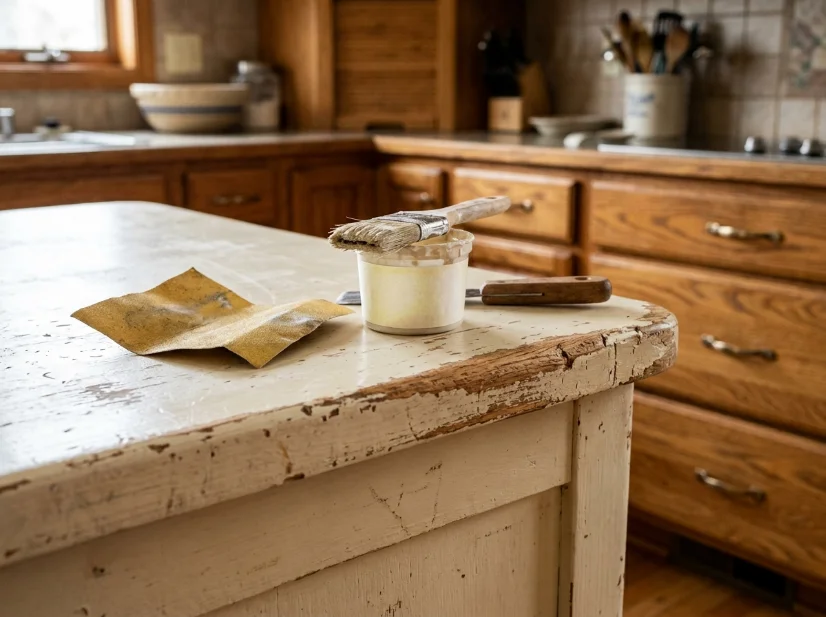
My first attempt did not go as smoothly as I expected. I skipped a proper sanding step because I wanted to finish the project quickly. Within a few weeks, the paint started chipping around the corners where the kids’ backpacks regularly bumped against the island. I ended up making another trip to Home Depot for bonding primer and 220-grit sandpaper. I repaired the two worst panels and repainted them properly. That experience taught me a simple lesson: do not rush the preparation. If you are painting kitchen cabinets or an island, clean the surface, sand it properly, and use a primer designed to help the new paint bond. The extra preparation takes time, but it can save you from having to redo the project later.
3. Warm Wood Tones Making a Comeback
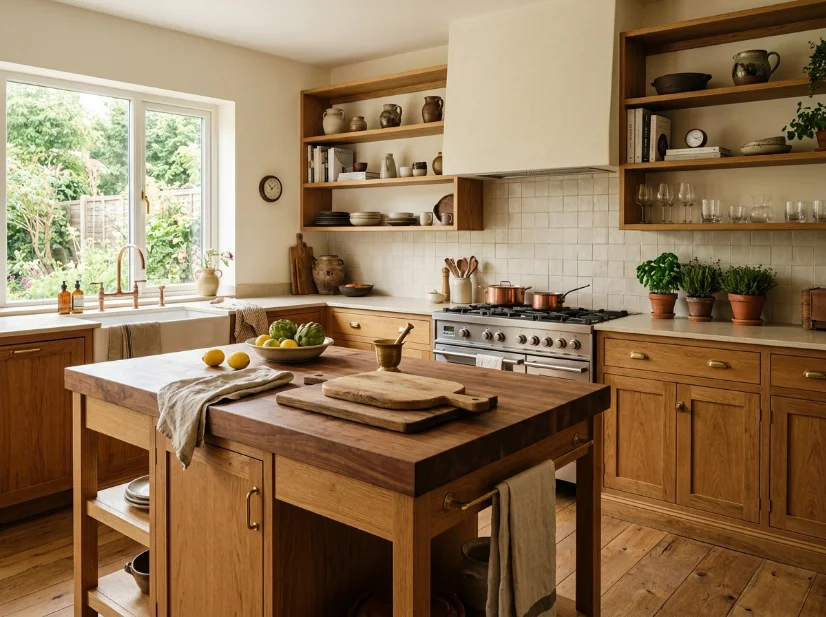
After years of gray-washed and white-washed interiors, warm wood tones are becoming popular again. Honey oak, walnut, and warm mid-tone stains are now being used as intentional design features instead of materials that need to be covered. This trend is especially useful if you have older oak cabinets and do not have the budget for a complete kitchen renovation. You could leave some original cabinets exposed while updating another section of the kitchen. Warm wood shelves, a butcher-block island top, wooden stools, or natural cutting boards can also introduce the look without replacing your cabinets. I especially like this approach because it makes older wood feel current without pretending it is something it is not.
4. Deep Blue and Navy Islands
Deep navy and ink-blue islands are another strong option for anyone who wants contrast without using green. A dark blue island can look especially polished when paired with lighter cabinets around the rest of the kitchen. The color feels classic enough to avoid looking like a short-lived trend, which makes it easier to live with over time. Deep blue also works well with warm metals, natural wood, white countertops, and creamy wall colors. If you are nervous about using a dark shade throughout the kitchen, limiting it to the island gives you the visual impact without overwhelming the room.
5. Warm Metal Hardware Replacing Cool Chrome
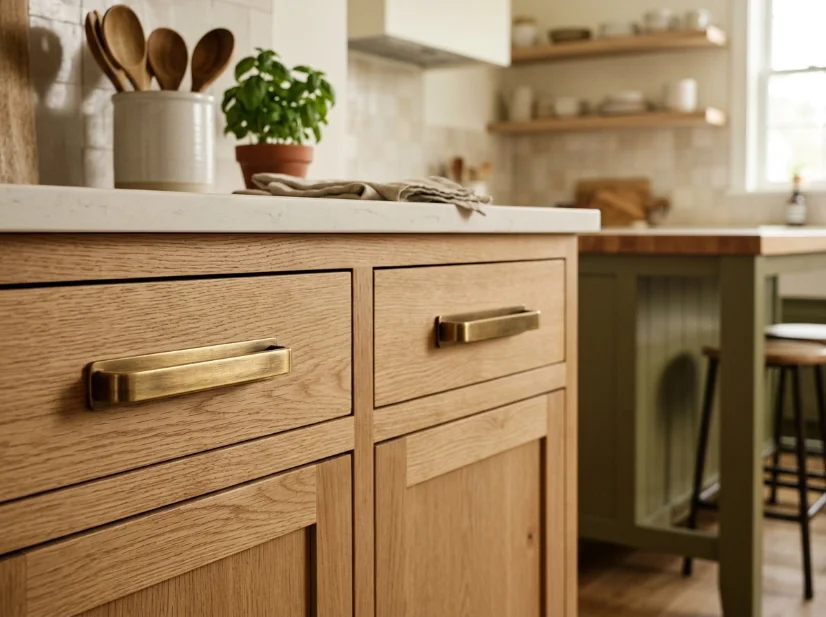
Hardware can completely change the feeling of a kitchen without requiring a single cabinet to be repainted. Cool chrome and shiny stainless finishes are giving way to warmer options such as brushed brass, warm bronze, and softer black finishes. We replaced our cabinet pulls with warm brass hardware, and the change was surprisingly noticeable. The hardware added warmth to our existing cabinets and worked particularly well with the olive green island. This is also one of the easiest updates for a weekend project because you can change the pulls and handles without changing the cabinets themselves. If you want to test a new color direction before making a bigger investment, hardware is a good place to start.
6. Terracotta and Warm Clay Accents
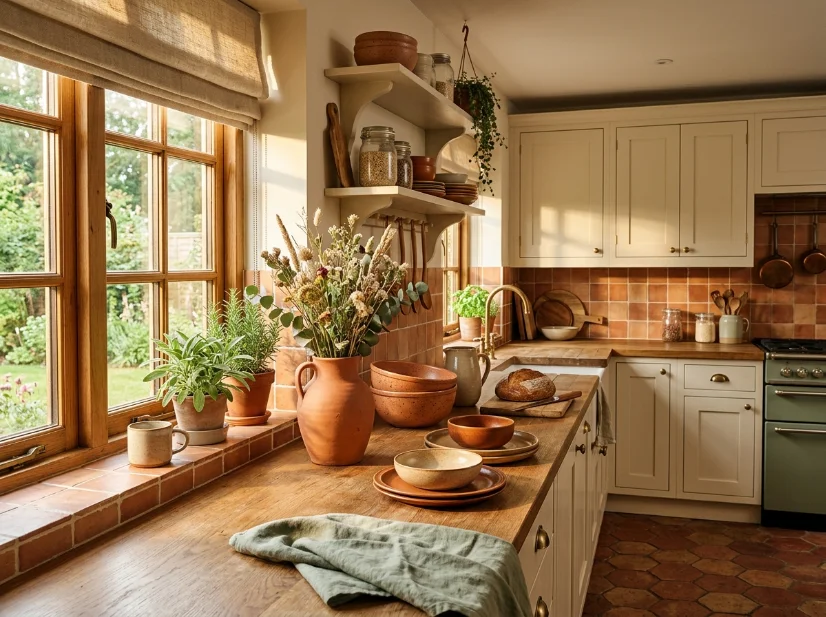
Terracotta and warm clay shades are becoming popular as smaller kitchen accents. You do not need terracotta cabinets to bring this color into the room. A backsplash, ceramic vase, serving bowl, planter, tea towel, or collection of dishes can introduce the warm earthy tone without making the kitchen feel overly colorful. I like how terracotta works with sage and olive green because the two colors create a natural, grounded combination. These warm clay shades also look especially inviting in kitchens with plenty of natural sunlight. If your kitchen faces west, the warmer evening light can make terracotta accessories feel even richer around dinner time.
7. Two-Tone Cabinets as the New Default
Using one color for every cabinet is no longer the only approach. Two-tone kitchens are becoming increasingly common, with darker lower cabinets paired with lighter upper cabinets or a contrasting island. This idea is practical as well as attractive. Lower cabinets usually receive more everyday wear, especially in homes with children, so using a darker color below can help hide small marks and scuffs. It can also reduce the amount of paint needed compared with repainting the entire kitchen. If I eventually repaint all of our cabinets, I would probably choose this approach rather than using one color everywhere. It gives the kitchen more depth while still keeping the overall design balanced.
What I’d Do Differently
If I could start our kitchen project again, I would test paint colors directly on the actual cabinets before making a final decision. A color can look completely different depending on the lighting, countertop, flooring, appliances, and nearby surfaces. Our olive green looked noticeably different beside the stainless-steel refrigerator than it did on the sample card. I would also avoid choosing a color simply because it looks perfect in a trend photo. Trends can be useful for inspiration, but the best kitchen color is one you can enjoy after the trend moves on. I nearly chose two other shades for our island, and I already think they would have felt less timeless. The olive green has been on our island for eight months now, and I am still happy with it. For me, that is a better sign than simply knowing the color is popular in 2026.
