
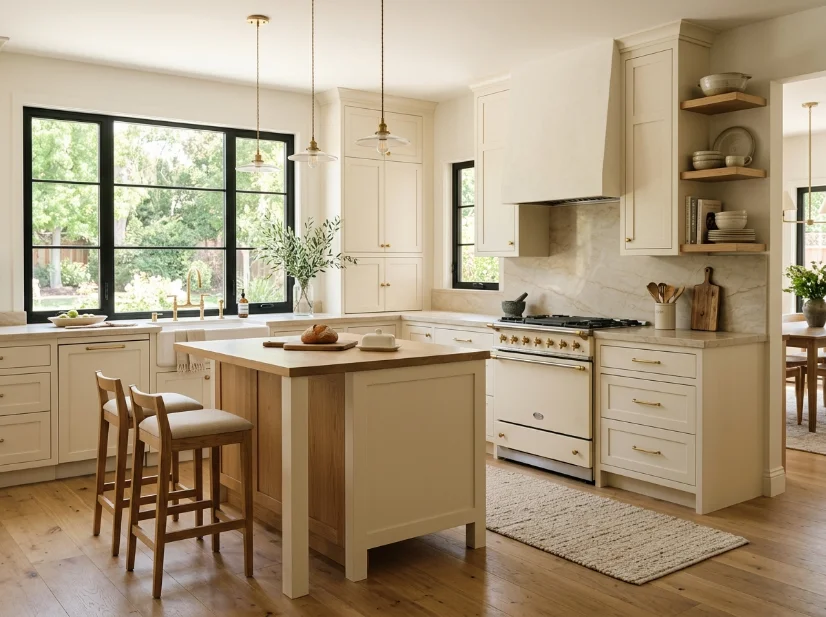
Quiet luxury home decor sounds like a style that requires a designer and a huge budget, but I learned that it is mostly about making thoughtful choices. I discovered this style about two years ago after getting tired of a living room filled with trendy pillows, matching decor, and pieces I had bought simply because they were on sale. The room always looked busy, even when it was clean. Instead of buying more, I started removing things and paying closer attention to what actually worked. What surprised me most was how much better the house felt after making a few simple changes. Quiet luxury is not really about spending more money. It is about choosing fewer pieces, using a consistent palette, and giving each item enough space to stand out. Here are the lessons I wish I had known before I started changing our home room by room.
1. Fewer Colors Do More Work Than You’d Think
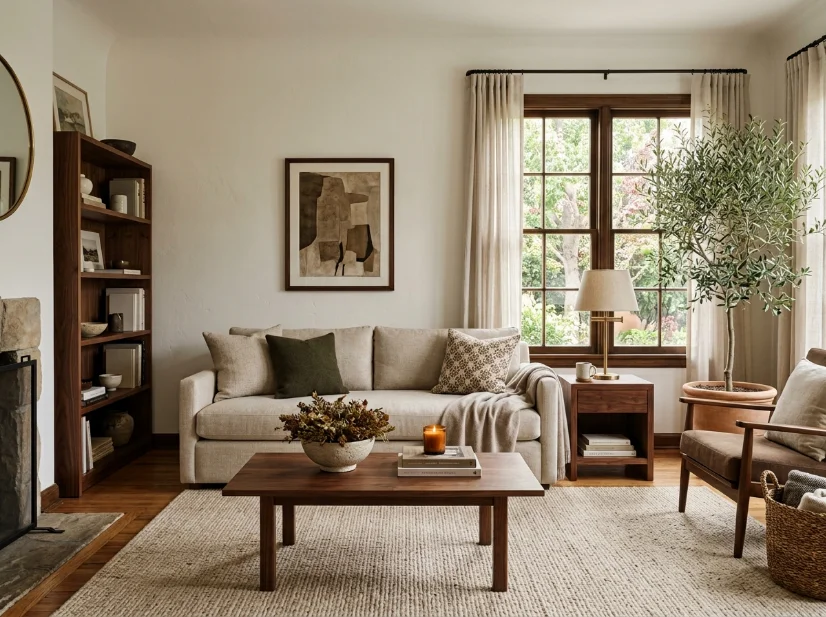
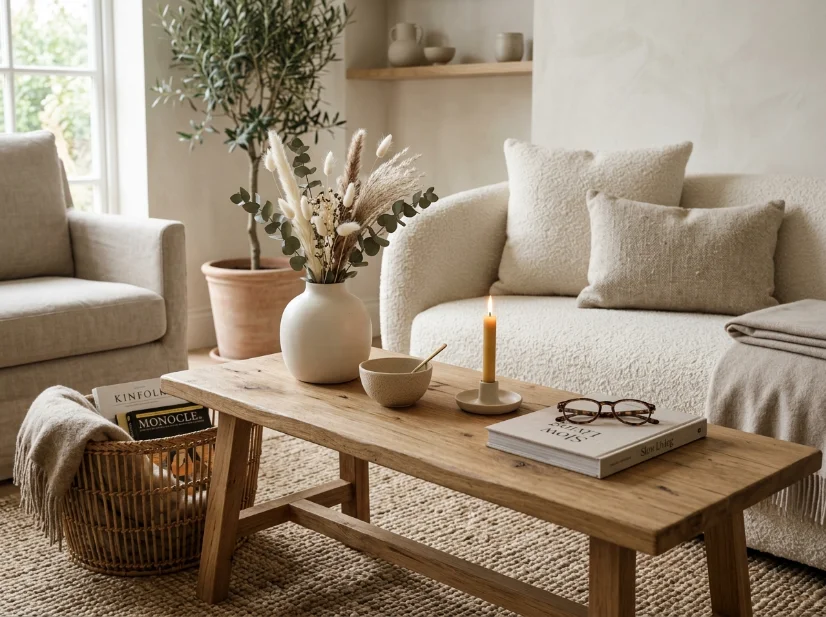
The biggest change happened when I stopped buying decor in every color that caught my attention. Instead, I chose three main tones: warm white, oatmeal, and deep walnut brown. From that point on, I tried to keep new furniture, textiles, and accessories within that palette.
At first, the limited color scheme felt a little boring. I was used to adding a bright pillow or colorful accessory whenever a room felt plain. But once the curtains, rug, pillows, and wood furniture started working together, the entire room looked more finished. Even when the kids left toys around or Biscuit covered the sofa with fur, the space still felt calm and coordinated. A consistent color palette helped more than I expected.
If you cannot repaint or replace your furniture, start with smaller pieces. Changing your textiles can make a noticeable difference without requiring a major budget. In our family room, a $45 throw blanket in the right warm tone made more sense than the $200 mustard-yellow accent chair I bought on impulse. The chair looked good in the store, but it never worked with the rest of our room.
2. Texture Can Replace Color
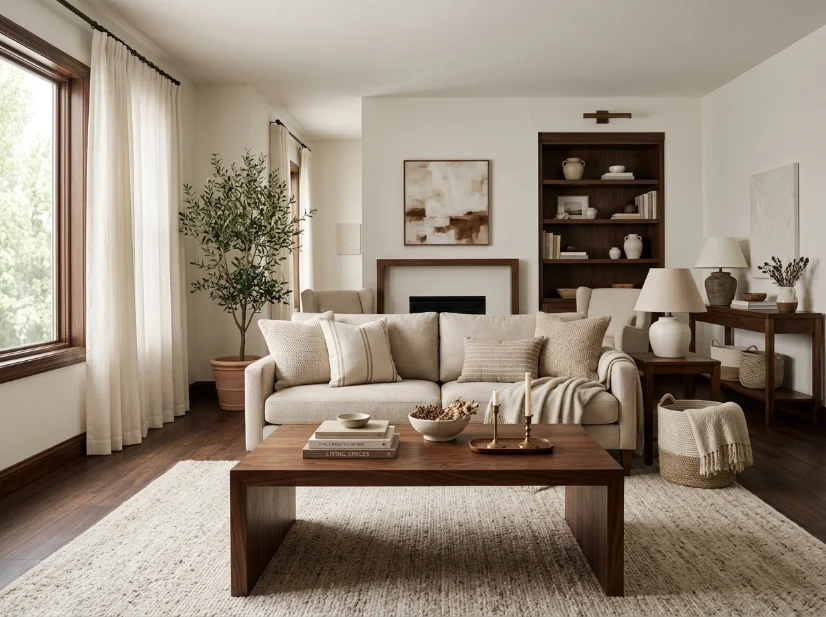
Once I simplified the color palette, I worried that the rooms would become flat. Instead, I discovered that texture could provide the visual interest I had previously tried to create with color. Linen curtains, a chunky wool throw, a leather ottoman, warm wood, and woven baskets all added something different while staying within the same neutral palette.
Mixing Textures Without a Design Degree
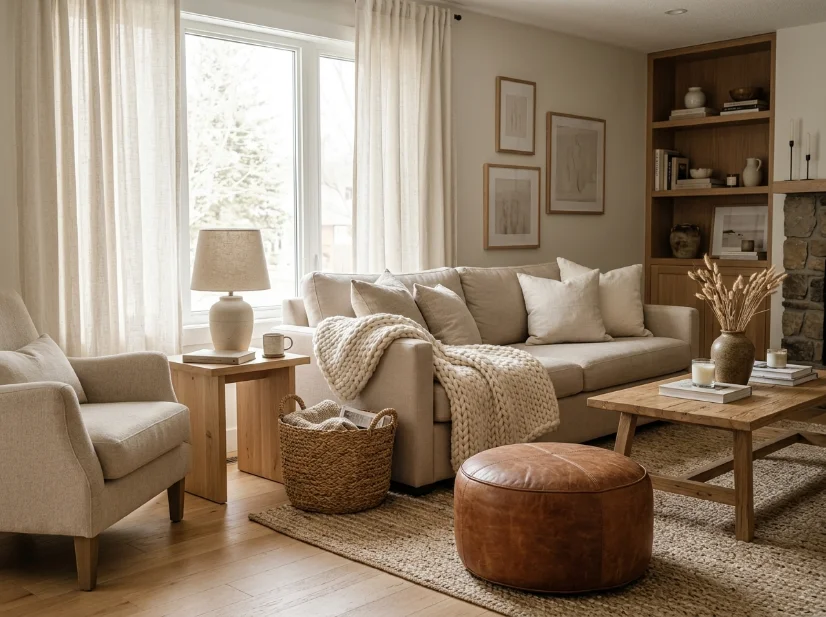
I did not follow a complicated design formula. I simply started paying attention to how different materials looked and felt next to each other. Smooth ceramic, nubby linen, natural wood, woven fibers, and soft upholstery can make a neutral room feel much more layered.
I found that having several different textures in a room was enough to keep it interesting. You do not need every surface to be different. A few thoughtful combinations can create the same effect. For example, I paired a $28 boucle pillow cover from Target with a $60 jute rug from World Market. Neither piece was expensive, but together they made the family room feel warmer and more collected than a matching set of decorative pillows ever did.
3. Hardware and Fixtures Matter More Than You’d Expect
I spent months focusing on furniture and accessories before realizing that our hardware and light fixtures were affecting the entire look. Our cabinet knobs and builder-grade fixtures made some of the rooms feel dated, even after I had improved the furniture and textiles.
Quiet luxury decor usually works best when the finishes feel simple and consistent. Matte black, aged brass, and brushed nickel can all work well when they are repeated thoughtfully throughout a room. The goal is not to use expensive hardware everywhere. It is to avoid having too many unrelated finishes competing for attention.
We replaced our kitchen cabinet pulls ourselves over one weekend and spent about $140. The change was surprisingly noticeable. In fact, I preferred the updated hardware to the $300 area rug we had purchased the month before. If you rent, you can still make smaller changes by replacing removable hardware and storing the original pieces safely for move-out day.
4. Storage Has to Be Part of the Plan
A room cannot feel calm when backpacks, dog toys, shoes, and mail are constantly sitting in plain sight. I used to think decorating and organizing were two separate projects, but quiet luxury taught me that they need to work together.
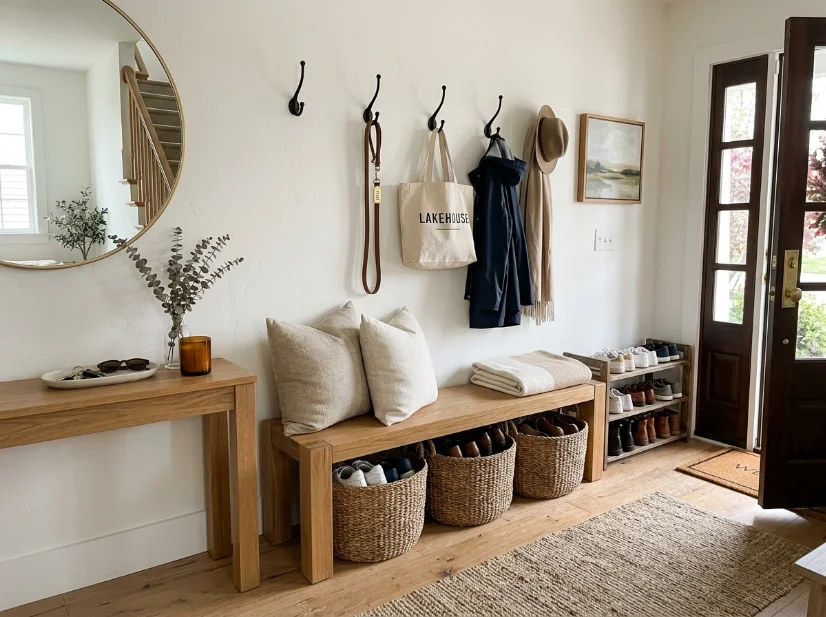
We added a basket bench near the back door for shoes and Biscuit’s leash. In the living room, we added a closed cabinet for the kids’ toys instead of leaving everything on open shelves. We also placed a small tray on the counter for mail and keys. These changes were simple, but they helped the rooms feel much less cluttered.
None of the storage pieces were especially expensive. The bench came from IKEA for about $89, while the cabinet was a $60 Facebook Marketplace find. I sanded it down and painted it the same off-white as our trim, which helped it blend into the room.
- Use a basket bench near the entry for shoes and leashes.
- Choose closed cabinets or attractive bins for toys and everyday clutter.
- Keep mail and keys in one tray or bowl instead of letting them spread across the counter.
5. One Good Piece Can Beat Five Average Ones
I used to fill empty corners with whatever was on sale. It seemed like a smart way to decorate without spending much, but I eventually realized that inexpensive pieces can become expensive when you keep replacing them.
Quiet luxury does not mean every item has to be designer. It means the pieces you choose should have a purpose and feel right for the space. Instead of filling every corner, I started saving for items I genuinely wanted.
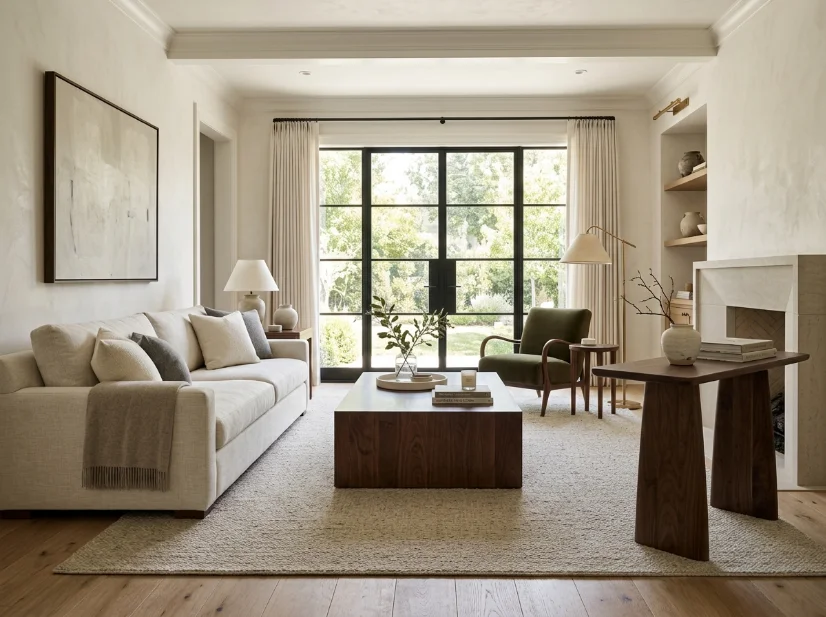
We saved for almost four months to buy one Article accent chair instead of purchasing two cheaper chairs from Wayfair. That chair became one of the most noticeable pieces in our living room, and guests often comment on it. At the same time, not everything in the room is expensive. Our coffee table came from Goodwill for $35, and I gave it a coat of dark walnut stain. Its simple shape and rich finish allow it to work alongside the more expensive chair.
6. Lighting Changes Everything, Especially at Night
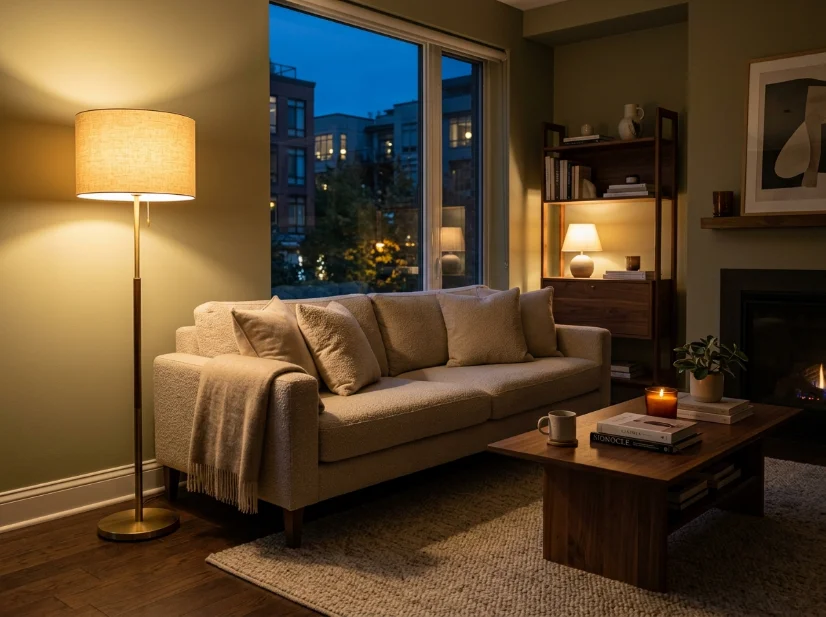
Lighting was something I ignored for far too long. I finally noticed the problem when we started using the living room for evening Zoom calls during Mark’s work-from-home period. Our old overhead fixture produced a flat, slightly blue light that made the room feel colder than it actually was.
Switching to warmer bulbs made a surprisingly big difference. We used bulbs around 2700K in the main living areas instead of the cooler daylight bulbs that had been installed before. The furniture looked warmer, the wood tones became richer, and the room felt much more comfortable in the evening.
We also added a $55 floor lamp with a linen shade to one corner of the living room. The lamp provided softer light and gave the room another layer of warmth. Replacing the bulbs throughout the main living spaces cost roughly $40, so this was one of the least expensive changes we made.
What I’d Do Differently
If I were starting over, I would paint before buying any major furniture. I bought a beige sofa first and then tried to find wall colors that worked with it. That decision limited my options more than I expected. Choosing the wall color first would have given me a much clearer starting point.
I would also skip the trendy woven wall hanging I bought during my first year. It looked beautiful in photos and seemed like the kind of accessory that would make the room feel more curated. In reality, it collected dust and pollen quickly during our humid North Carolina summers. I ended up donating it within a year.
The biggest lesson, though, was that quiet luxury does not mean every room has to be completely neutral. I took the idea too far in our kids’ shared playroom and removed almost all of the color. Instead of feeling calm, the room started to feel cold and unfinished. Adding a little sage green brought some personality back without making the space feel chaotic.
That is probably the most useful thing I learned from this whole process. Quiet luxury is not about following a strict set of rules. It is about creating a home that feels intentional, comfortable, and uncluttered. You can use warm neutrals, natural textures, better lighting, practical storage, and a few meaningful pieces without replacing everything you own. Sometimes the most luxurious-looking change is simply removing what the room does not need.
