
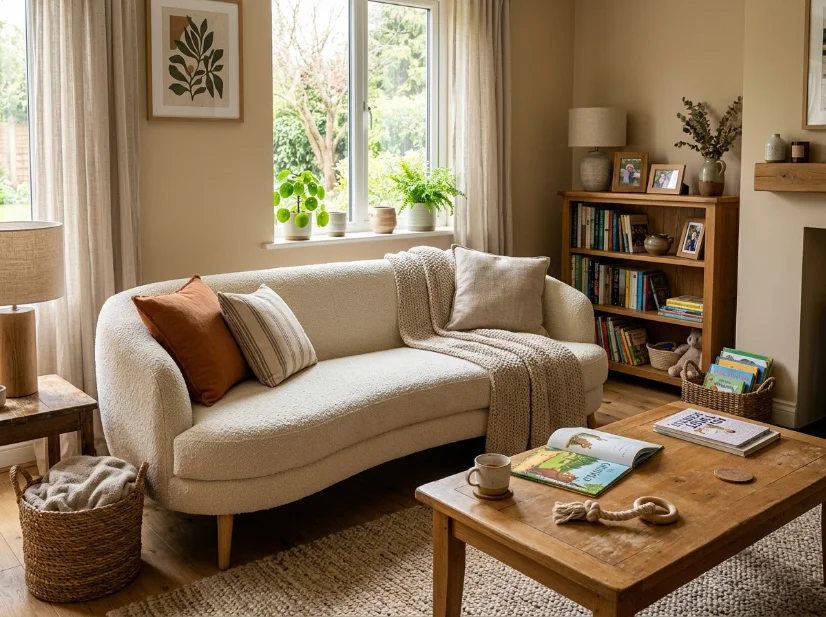
I never planned to fill our living room with sculptural furniture. It started with one chair. I saw a curved boucle chair on Instagram, bought it from Article, and placed it in the corner where a basic square armchair had been sitting. Within a week, I was searching for a curved console table while Mark wondered why our credit card kept buzzing. Two years later, our 18×14 living room has three sculptural pieces, and I have learned plenty about making this style work in a real home. Some choices worked beautifully, while others became expensive lessons. Here are the seven things I learned, including what I would repeat and what I would skip.
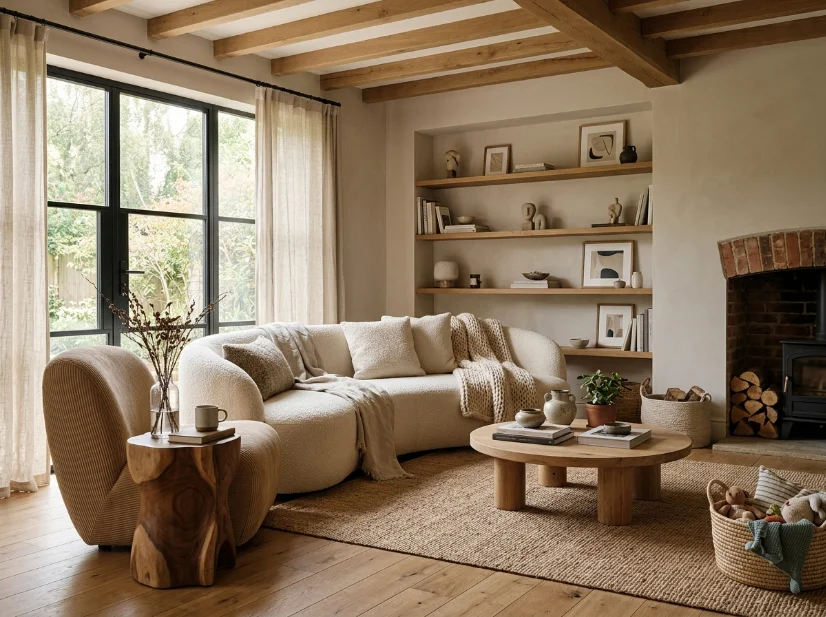
1. Start With One Statement Piece, Not the Whole Room
My first instinct was to replace everything at once, but that would have been a mistake. The better approach was to choose one statement piece and slowly build the room around it. For us, that piece was a curved sofa from West Elm. It cost about $1,800 on sale, which still felt like a lot, so I kept everything else in the room for several months. Living with the sofa helped me understand what the space actually needed instead of buying pieces just because they matched the trend. You do not need to spend that much to create the same effect. A sculptural side table, curved chair, or organically shaped mirror can become a strong focal point without taking over the room. I have found options around $60 to $120 at stores such as Target and HomeGoods that can create plenty of visual interest.
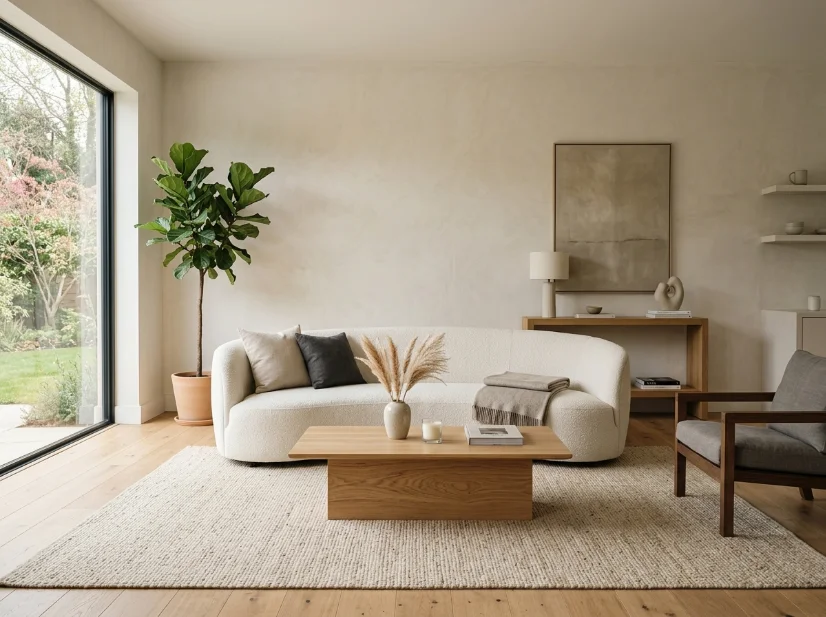
2. Curved Does Not Mean Delicate
I originally assumed rounded furniture would be too fragile for our home because we have two kids and a 60-pound dog. I was wrong. Biscuit has bumped into our curved sofa more times than I can count, and it has continued to hold up well. The biggest reason is the construction. The sofa has a solid wood frame, which makes a huge difference when furniture has to handle everyday family life. I learned the opposite lesson from a $140 boucle ottoman I bought from Wayfair. It looked great when it arrived, but a visible dip appeared after only four months. That experience taught me to look beyond the shape before buying sculptural furniture. A beautiful curved silhouette cannot make up for weak construction. Always check the frame, materials, weight capacity, and overall build before choosing a piece.
3. Balance Curves With Something Rigid
A room filled with rounded furniture can start to feel too soft and unstructured. I wanted our living room to feel comfortable and collected rather than like a furniture showroom, so I kept several straight-edged pieces. Our original rectangular coffee table works surprisingly well with the curved sofa, and the straight bookshelf on the far wall adds another layer of structure. I also chose a square jute rug instead of a round rug. At first, that seemed like the opposite choice, but it helped the room feel more balanced. The straight edges give the eye somewhere to rest, while the curved sofa becomes the intentional focal point. I now try to follow a simple formula: choose one major curved piece, add at least one straight-edged piece nearby, and repeat the curved shape with a smaller accent. A rounded mirror, curved lamp base, or organic bowl can create that connection without making every item in the room look identical.
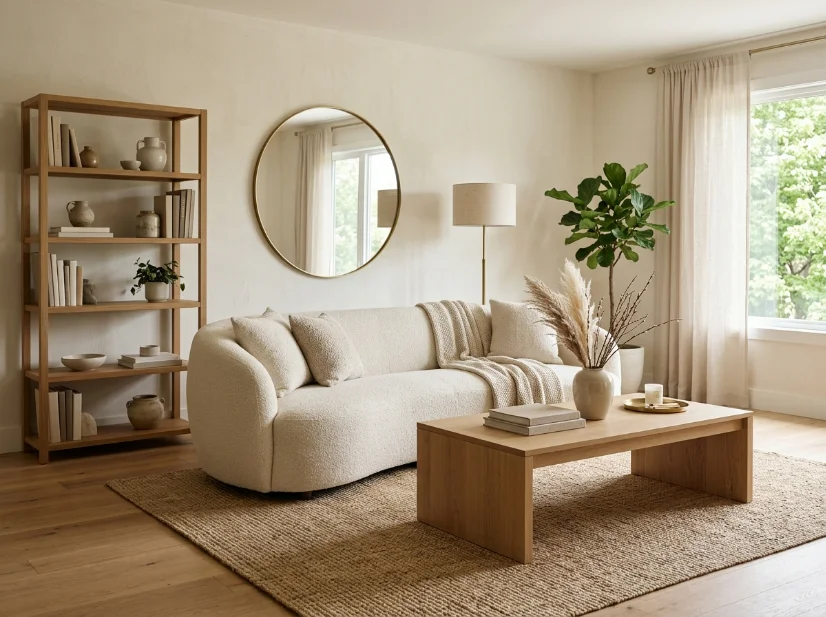
4. North-Facing Light Changes Everything
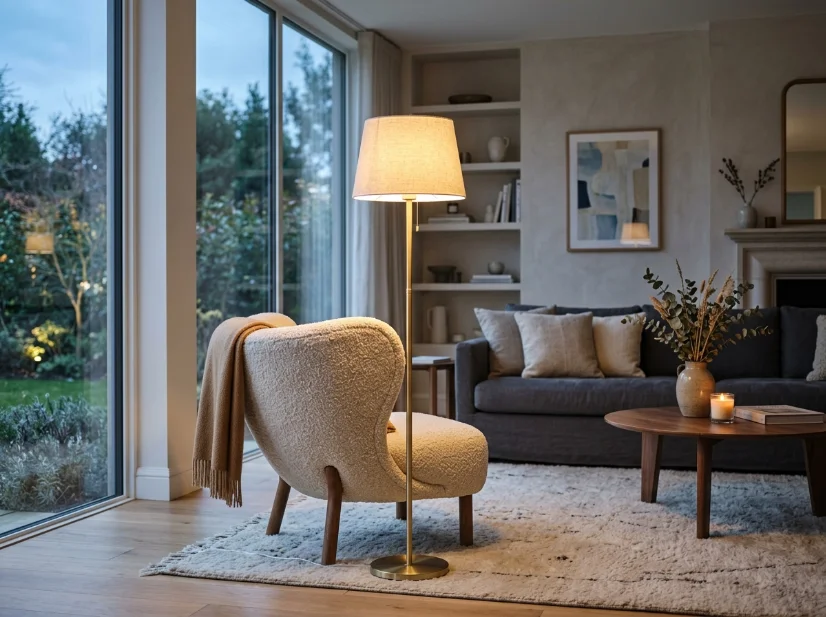
Our living room faces north, and I did not realize how much that would affect the furniture until I brought the curved chair home. In the store, it looked warm and buttery. In our living room, it looked almost gray during the afternoon. Sculptural furniture depends heavily on light because curves become interesting when they create highlights and shadows. Flat, indirect light can make those shapes look much less defined. I improved the room by changing our overhead bulbs to 2700K and adding a floor lamp near the chair. I angled the lamp so it created gentle shadows across the curved surface. The difference was surprisingly noticeable. If your room does not receive much direct sunlight, lighting deserves extra attention. Warm bulbs, strategically placed lamps, and directional lighting can make rounded furniture look much more dimensional.
5. The Budget Version Exists, and It Is Not Embarrassing
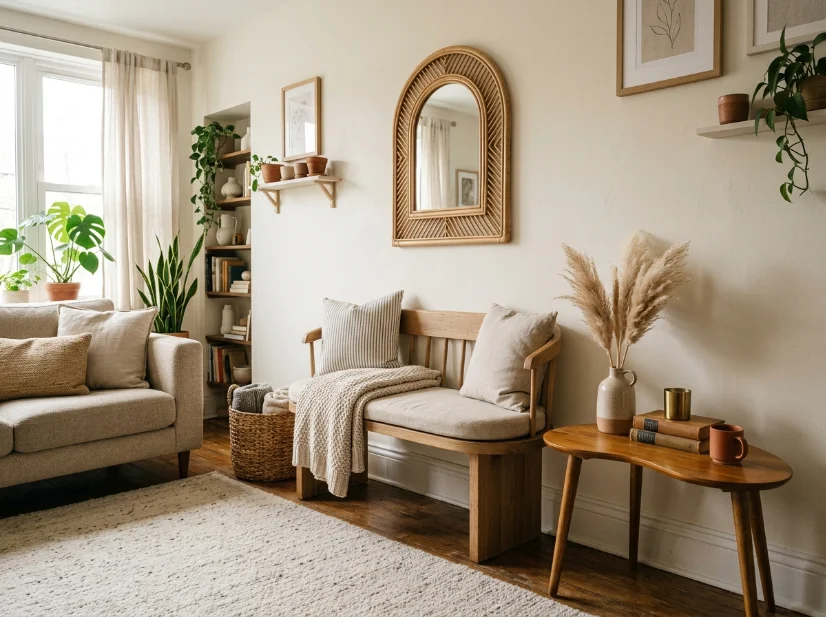
You do not need an expensive designer-looking piece to bring sculptural style into your living room. Some of my favorite additions were actually inexpensive finds. I bought a curved rattan mirror from HomeGoods for $34 and a kidney-shaped side table from Target for $79. I also found a curved bench on Facebook Marketplace for $45 and spent a weekend sanding and repainting it. That DIY project did not go perfectly. I underestimated how much work it would take to sand a curved surface because there are fewer flat areas where you can move quickly. I ended up making another trip to Home Depot for finer-grit sandpaper, and the underside still has a slightly uneven patch. Nobody notices it, and honestly, neither do I anymore. That experience changed how I shop for sculptural furniture. I now look at shape first and price second because an affordable piece with an interesting silhouette can have just as much impact as an expensive one.
6. Scale Matters More Than You Think
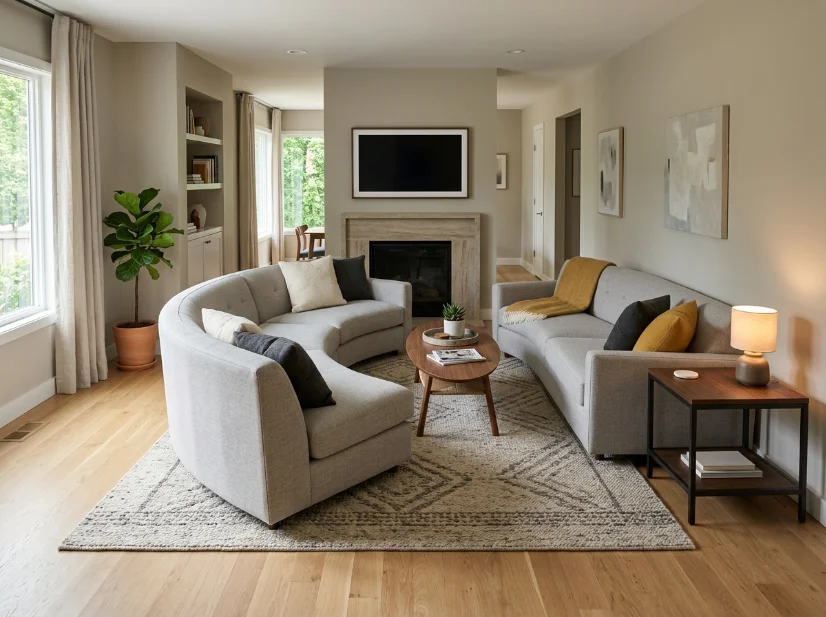
A large curved sofa can overwhelm a small living room surprisingly quickly. Our space measures 18×14, and our sofa is already close to the limit of what the room can comfortably handle. Sculptural furniture can also appear larger than its actual measurements because the curves create strong visual movement and draw attention to the space around them. Before buying a large piece, I recommend measuring the room, the furniture, the doorway, the hallway, and every tight corner the delivery team will need to navigate. Smaller rooms do not need to miss out on the trend. One curved accent chair, an organic-shaped coffee table, or a rounded side table can bring enough sculptural interest without making the room feel crowded. The goal is to give the statement piece enough space to breathe.
7. You Do Not Have to Chase the Trend All at Once
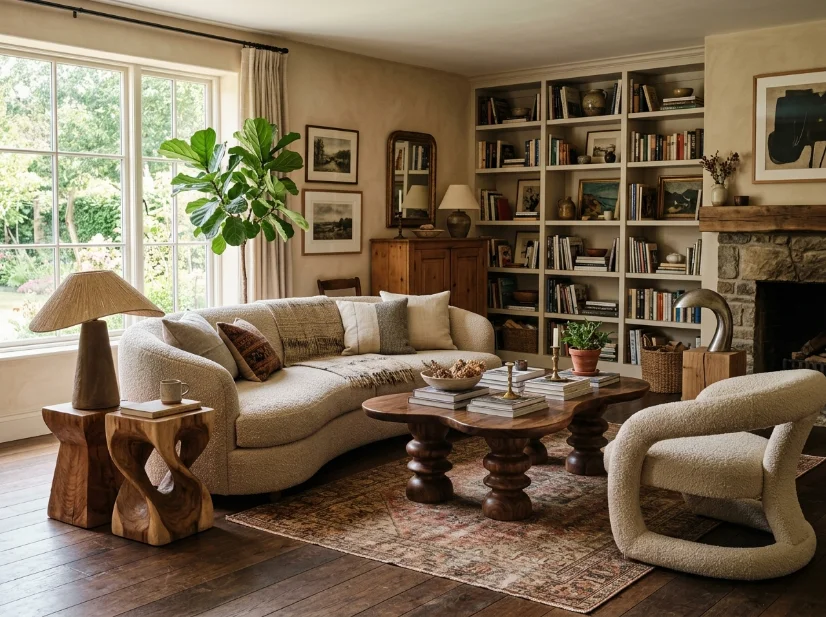
I made the mistake of thinking I needed to complete the entire look quickly. That mindset led me to buy the boucle ottoman that eventually developed a dip. Taking my time would have saved me money and prevented a return. Now I prefer adding one sculptural piece every few months instead of trying to redesign the whole living room over one weekend. This slower approach gives me time to see how each piece works with the furniture I already own. It also makes the room feel more personal because everything does not look like it came from the same collection. Trends can be useful for inspiration, but you do not need to buy every curved chair, wavy table, and organic mirror you see online. Choose the shapes that genuinely work with your home and your lifestyle.
What I Would Do Differently
If I were starting over, I would skip the cheap ottoman and put that $140 toward a better lamp. Lighting ended up having a bigger effect on the room than I expected, especially because of our north-facing windows. I would also measure the doorway before ordering the sofa. The sofa eventually made it into the living room, but the delivery team had only about two inches of clearance around one hallway corner. It worked, but that was much closer than I wanted. Most importantly, I would slow down. Sculptural furniture works best when you let the room evolve instead of trying to create the finished look immediately. One thoughtful piece can change the entire feel of a living room. You just need to give it enough space, enough light, and enough time to become part of the home.
