
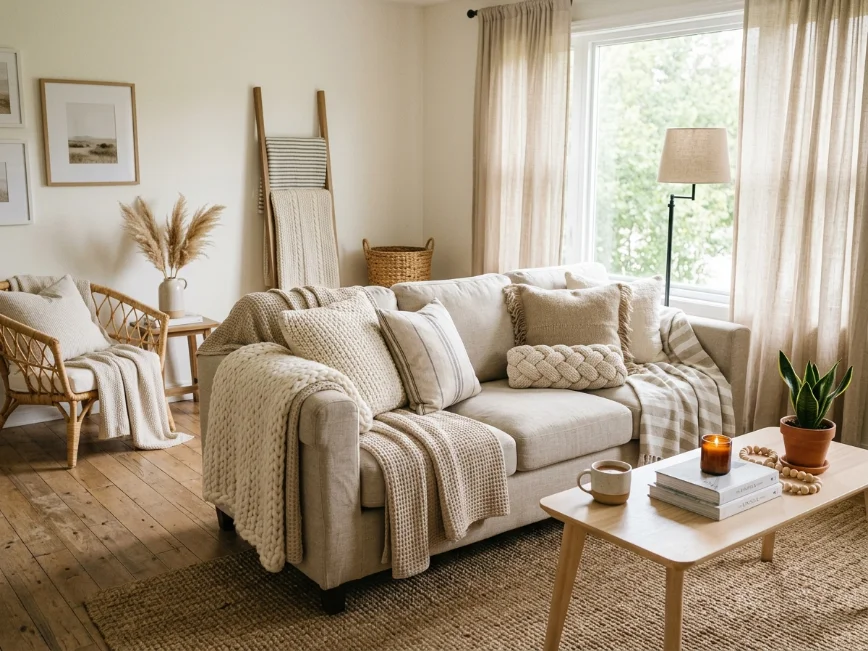
When we bought our late-90s house outside Charlotte in 2021, I quickly realized decorating an entire home costs a lot more than social media makes it look. Every room needed something. The living room felt empty, the bedrooms looked mismatched, and the builder-grade finishes throughout the house made everything feel dated no matter how much cleaning I did.
At first, I thought good home decor required huge shopping trips and expensive furniture stores. But after several years of slowly updating our 1,400 sq ft home while balancing regular family expenses, I learned that home decor on a budget is really about layering smart changes over time instead of trying to finish everything at once.
Some of our best upgrades came from Facebook Marketplace finds, Target sales, DIY mistakes, and random HomeGoods trips where I only planned to “look around” and somehow left carrying pillows.
In this article, I’m sharing the home decor on a budget ideas that made the biggest difference in our home without draining our savings account, including affordable styling tricks, practical upgrades, and a few decorating mistakes I definitely wouldn’t repeat.
1. Paint Made The Biggest Difference For The Lowest Cost
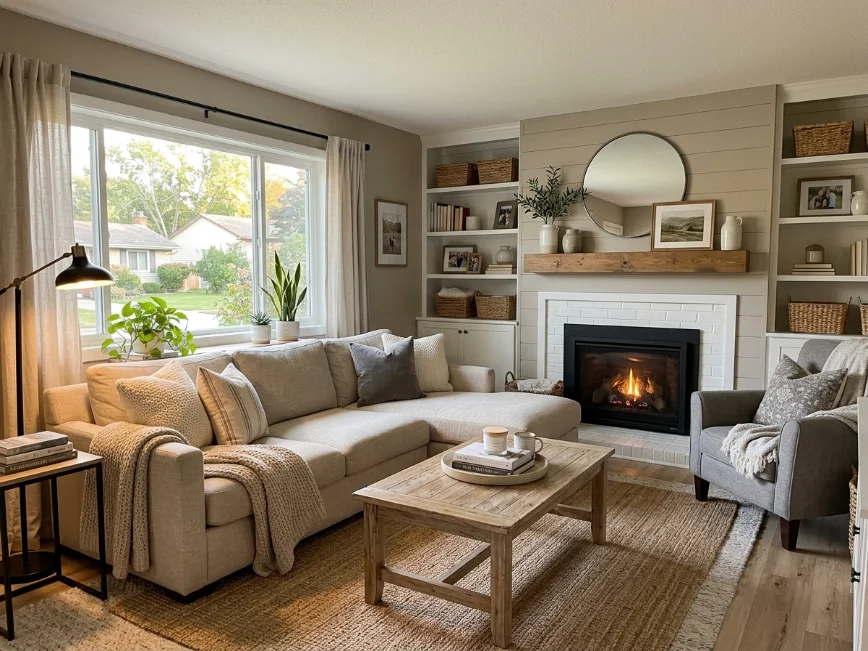
Nothing changed our house faster than paint.
The entire home originally had that darker beige color popular in the late 90s, which made every room feel smaller once evening hit. After testing several paint samples from Sherwin-Williams and Behr, we finally settled on warmer neutral shades that reflected light much better.
And honestly, I underestimated how dramatic the change would feel.
Paint colors that worked best in our house
- Warm white
- Soft greige
- Muted sage
- Light taupe
- Creamy off-white
One mistake I made early on was choosing a cool gray for our hallway because it looked modern online. By afternoon, the lighting turned it almost blue.
After repainting that wall twice in one weekend, I finally learned how important natural light is when choosing paint.
Most rooms cost us around $80–150 in paint supplies depending on size, which was far cheaper than replacing furniture.
2. Mixing Affordable Furniture With A Few Better Pieces Works Better
I used to think entire rooms needed matching furniture sets.
Now I actually prefer spaces that feel layered instead.
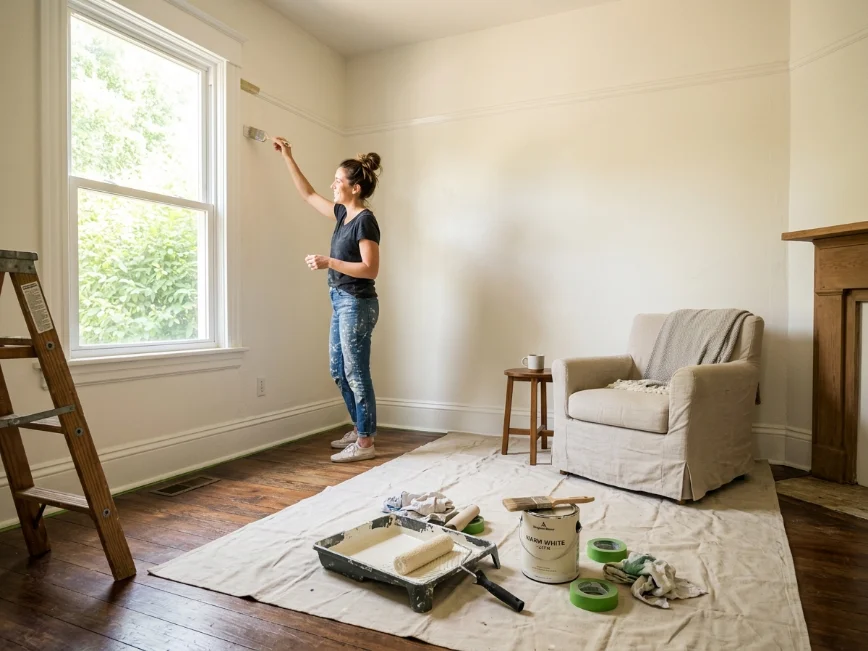
One of the best things we did was combine affordable basics from Target and Wayfair with a few nicer investment pieces that would last longer. Our living room, for example, has an inexpensive coffee table, a secondhand Facebook Marketplace console, and one higher-quality accent chair from Pottery Barn that we saved for over several months.
That mix makes the room feel far more natural than buying everything from one store.
Budget-friendly stores I actually use
- Target
- HomeGoods
- Ikea
- Facebook Marketplace
- Wayfair
- Our local Goodwill
One warning though: some extremely cheap online furniture looks much sturdier in photos than it does in real life. We bought one side table that wobbled within weeks.
3. Lighting Completely Changed The Mood Of Our Home
Lighting might be the most overlooked part of home decor on a budget.
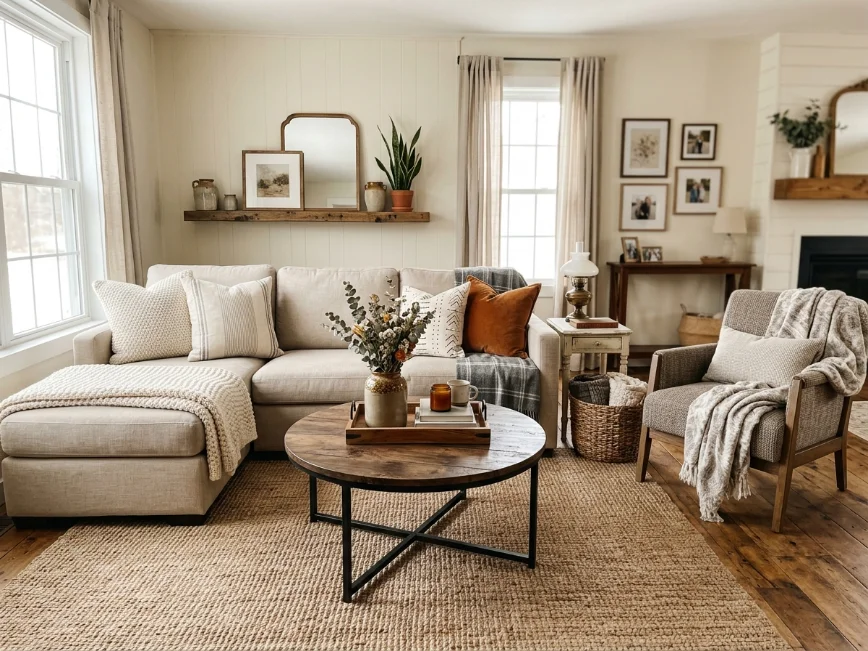
Our house originally relied almost entirely on overhead fixtures, and by evening every room felt flat and harsh. Adding layered lighting made the entire home feel warmer almost immediately.
The biggest upgrades included:
- Table lamps
- Floor lamps
- Softer 2700K light bulbs
- Wall sconces
- Under-cabinet lighting
One small lamp from Target near our living room bookshelf honestly changed the atmosphere more than some larger furniture purchases.
Mistake I regret
I once bought super bright daylight bulbs thinking brighter automatically meant better. Instead, the room felt like a dentist office.
Warmer bulbs made a huge difference.
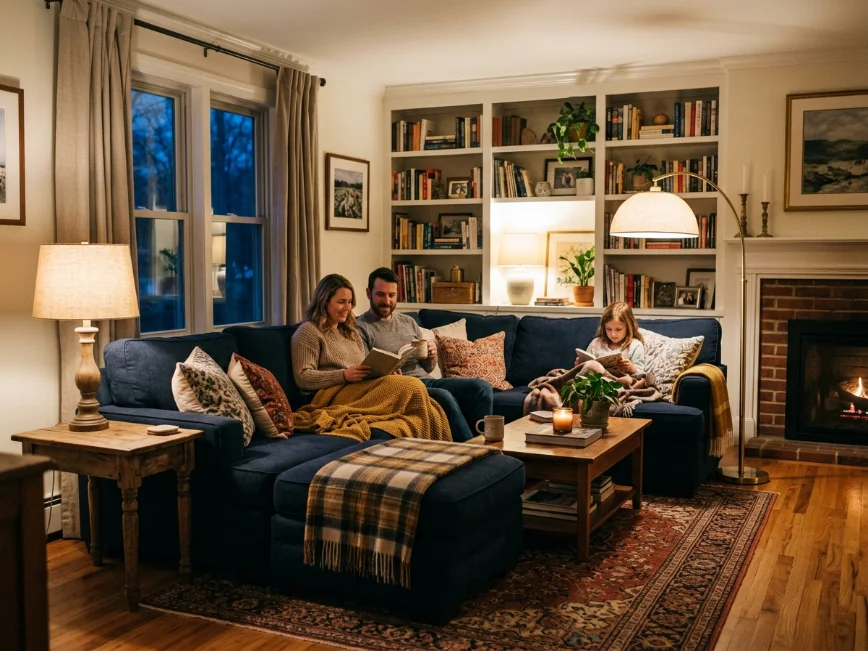
4. Textiles Make Rooms Feel Finished Faster
Throw pillows, rugs, curtains, and blankets helped our house feel complete long before we could afford larger updates.
This was especially important in our living room, where builder-grade blinds made everything feel cold and unfinished.
Adding longer curtains instantly made the ceilings look taller too.
What worked best for us
- Neutral rugs
- Linen-look curtains
- Layered throw blankets
- Washable pillow covers
- Soft textured bedding
North Carolina pollen season also taught me quickly that washable fabrics matter more than trendy fabrics.
One cream-colored rug looked beautiful for exactly two weeks before Biscuit tracked muddy paw prints across it after a spring rainstorm.
5. Decorating Slowly Actually Saved Us Money
One of the biggest mistakes I made after moving in was rushing.
I wanted every room finished immediately, which led to impulse purchases I later regretted. Several decor items that looked trendy in 2022 already feel outdated now.
Once I slowed down, the house started coming together more naturally.
Instead of buying everything at once, I started:
- Saving inspiration photos
- Waiting for sales
- Measuring carefully
- Watching Marketplace listings
- Reusing decor between rooms
That slower process honestly helped the house feel more personal.
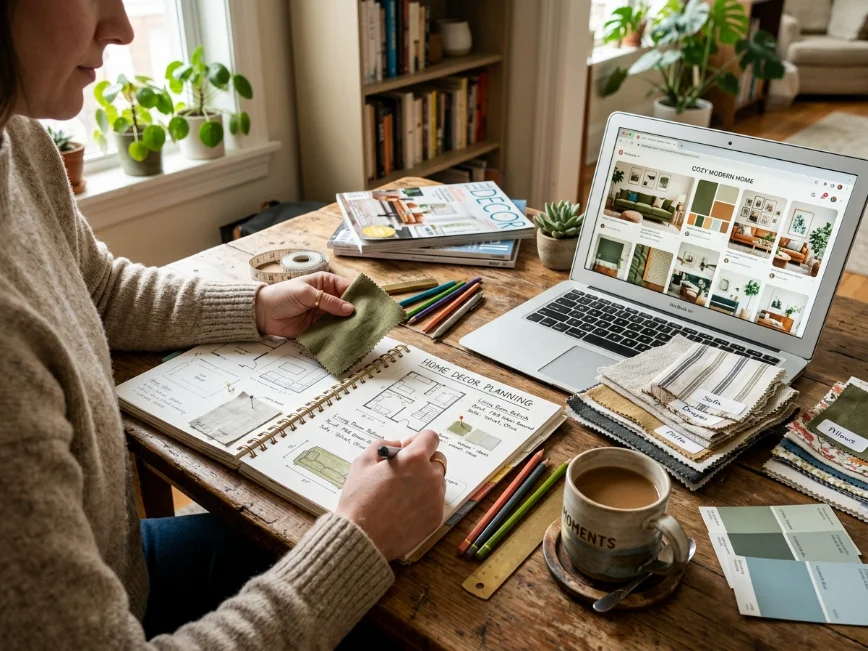
6. DIY Projects Helped Stretch Our Budget Further
Not every DIY project went smoothly, but several saved us hundreds of dollars.
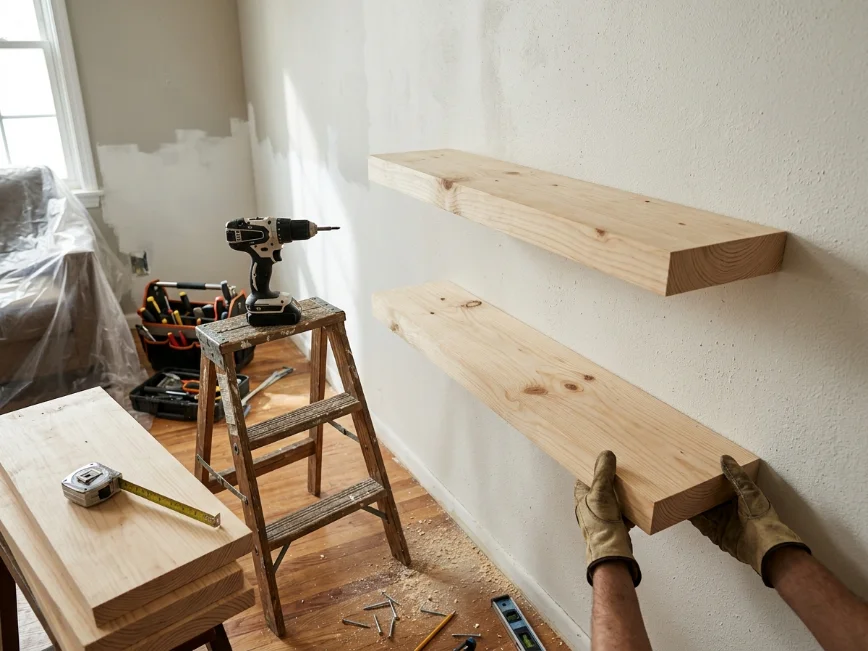
One weekend, I decided to build floating shelves for our laundry room after seeing similar ones online priced around $250. The actual wood and brackets cost closer to $65.
The first attempt was rough.
One shelf got cut too short because I measured from the wrong wall edge, and the stain dried unevenly thanks to humid summer weather outside Charlotte. After sanding everything down and trying again, the final result looked much better.
DIY projects worth trying
- Floating shelves
- Cabinet painting
- Peel-and-stick backsplash
- Framing builder-grade mirrors
- Furniture repainting
Just make sure to budget extra time for mistakes because most projects take longer than expected.
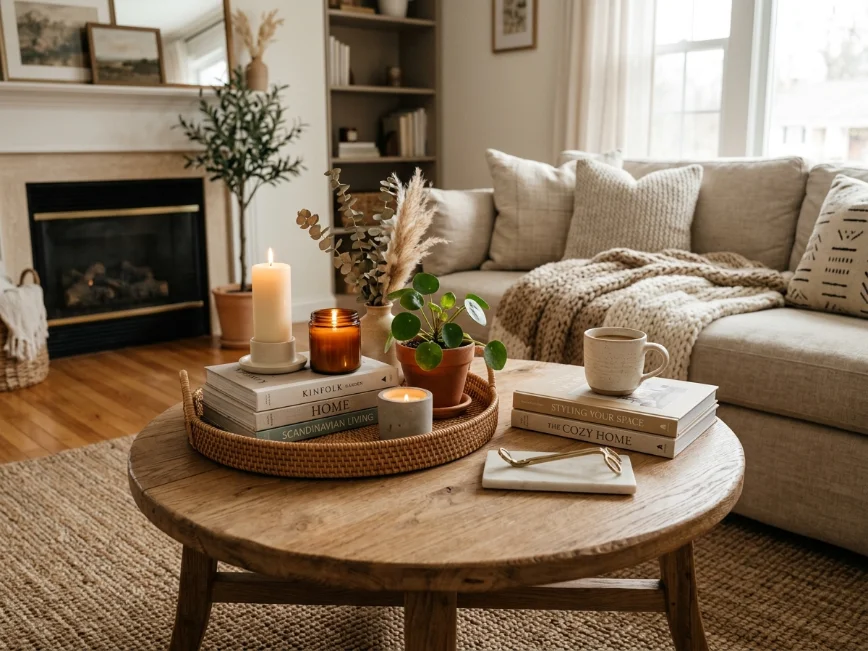
7. Small Styling Details Matter More Than Expensive Furniture
Some of the cheapest updates made the house feel the most polished.
Simple things like:
- Stacked books
- Neutral trays
- Candles
- Framed prints
- Greenery
- Decorative baskets
helped rooms feel more intentional without requiring large purchases.
HomeGoods became my favorite place for smaller styling pieces because prices stayed fairly reasonable compared to higher-end decor stores.
I also learned not every surface needs decor piled on top of it. Leaving some breathing room actually makes spaces feel calmer.
What I’d Do Differently Next Time
Looking back, I would’ve focused more on foundational changes first instead of buying random decorative pieces too early.
Paint, lighting, curtains, and rugs changed the overall feel of our home far more than trendy accessories did.
I also learned that decorating an entire house takes longer than expected, especially on a middle-income budget. Social media can make it seem like everyone finishes rooms overnight, but most real homes evolve gradually.
And honestly, that slower pace often leads to better decisions anyway.
Why Decorating Slowly Usually Works Better
After several years of updating this house little by little, I’ve realized home decor on a budget works best when you focus on function first and trends second. Some of our favorite spaces came together slowly through layered updates, secondhand finds, and small weekend projects instead of giant shopping hauls. If you’re decorating your own home right now, start with the changes that improve everyday life first because those are usually the upgrades that last the longest. And if you found these ideas helpful, save this post for later or share it with somebody else trying to decorate on a realistic budget.
